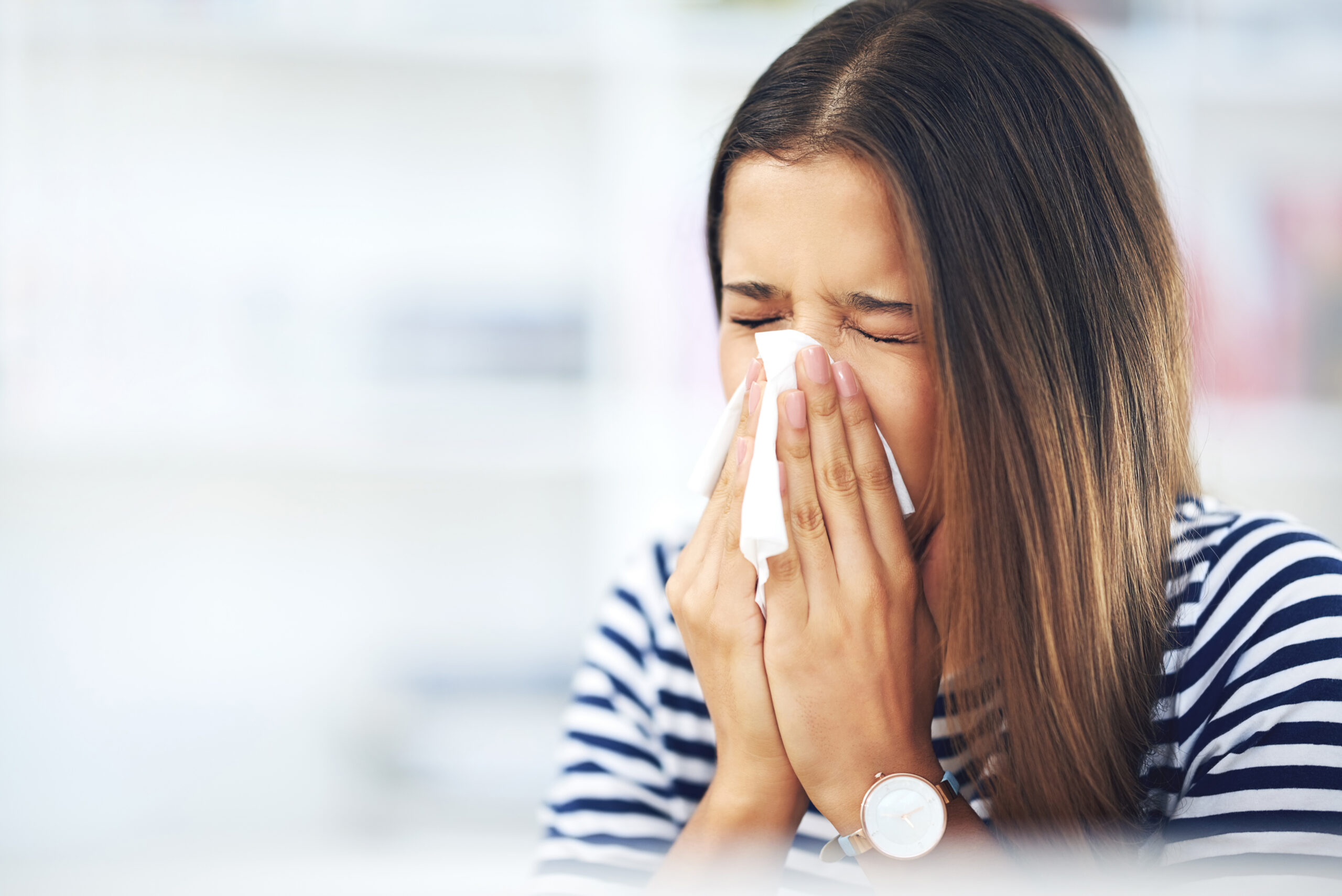

As the seasons change, many people begin to notice uncomfortable symptoms like sneezing, congestion, and difficulty breathing. For some, these symptoms are mild. For others—especially those with asthma or other respiratory conditions—they can significantly impact daily life.
Understanding the connection between seasonal allergies and breathing issues is the first step toward feeling better.
What Are Seasonal Allergies?
Seasonal allergies, also known as hay fever or allergic rhinitis, occur when your immune system overreacts to substances in the environment. Common triggers include:
- Pollen from trees, grasses, and weeds
- Mold spores
- Dust and outdoor pollutants
When exposed to these allergens, your body releases chemicals like histamine, which lead to symptoms.
Common Symptoms
Seasonal allergies can affect both your upper and lower respiratory system. Symptoms may include:
- Sneezing
- Runny or stuffy nose
- Itchy eyes, nose, or throat
- Postnasal drip
- Coughing
- Wheezing or shortness of breath
For individuals with asthma, allergies can trigger more serious breathing issues, including asthma attacks.
How Allergies Affect Breathing
Allergens can inflame the airways, making it harder to breathe. This is especially concerning for:
- Children
- Older adults
- People with asthma or chronic lung conditions
Inflammation can cause the airways to narrow, leading to wheezing, chest tightness, and shortness of breath. If you notice these symptoms, it’s important not to ignore them.
Tips to Manage Symptoms
While you may not be able to avoid allergens completely, there are steps you can take to reduce exposure and manage symptoms:
1. Monitor Air Quality and Pollen Levels
Check daily forecasts and limit outdoor activities when levels are high.
2. Keep Indoor Air Clean
- Keep windows closed during high pollen days
- Use air purifiers if possible
- Change air filters regularly
3. Shower After Being Outdoors
This helps remove pollen from your skin and hair.
4. Take Medications as Recommended
Over-the-counter antihistamines, nasal sprays, or prescribed medications can help control symptoms.
5. Manage Asthma Carefully
If you have asthma, make sure your inhaler and action plan are up to date.
When to Seek Medical Care
You should talk to a healthcare provider if:
- Your symptoms are severe or persistent
- Over-the-counter medications are not helping
- You experience wheezing, chest tightness, or difficulty breathing
- Your allergies interfere with sleep or daily activities
Early care can prevent symptoms from worsening and help you breathe easier.
We’re Here to Help
At Celebrating Life Community Health Center, we’re committed to helping you stay healthy through every season. Our team can help evaluate your symptoms, provide treatment options, and support you in managing both allergies and breathing conditions.
You don’t have to struggle through allergy season alone—care is here for you.