
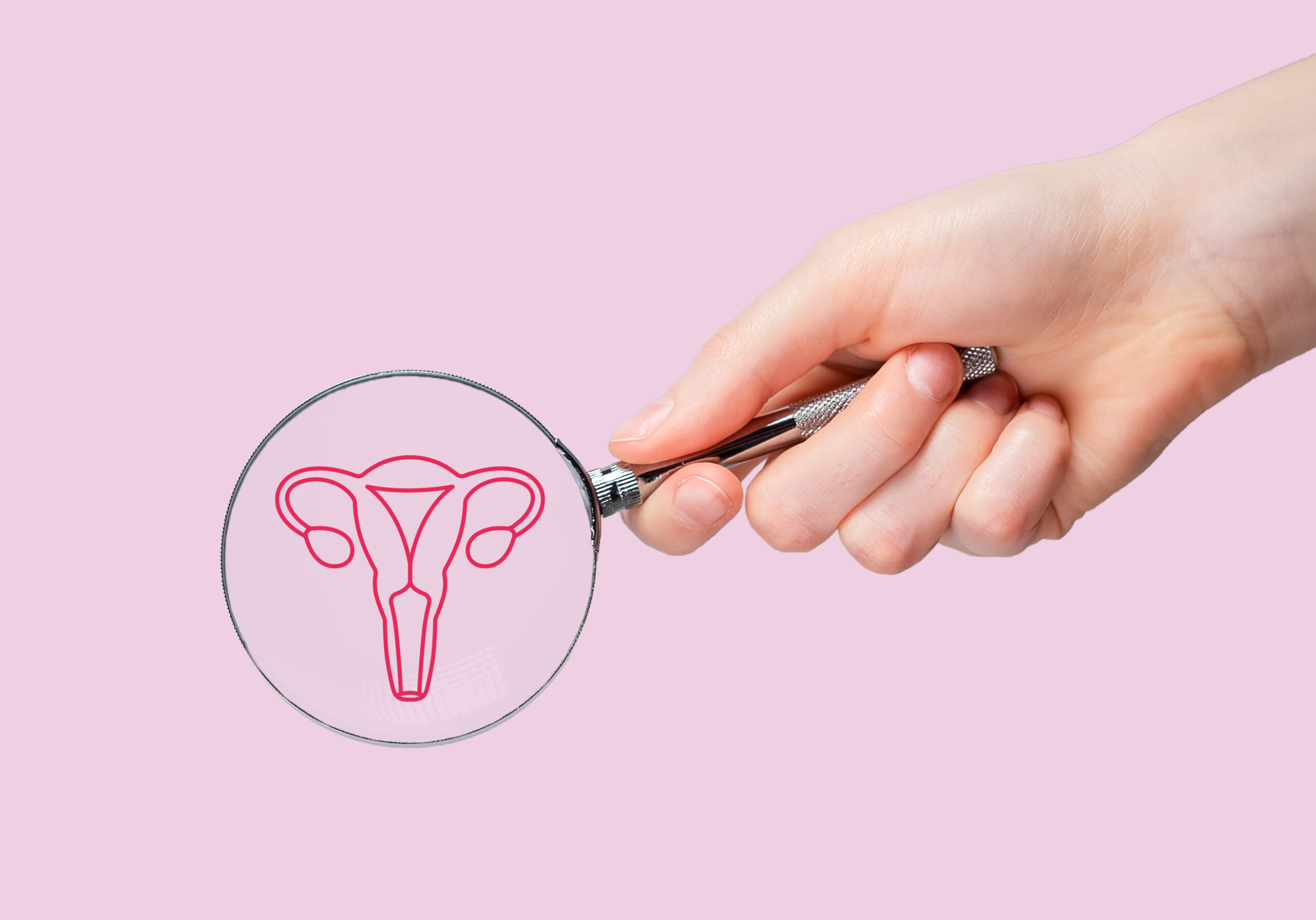

When it comes to protecting your health, prevention has always been one of the most powerful tools we have. Cervical cancer screening is a perfect example of how a simple, routine test can make a life-saving difference.
At Celebrating Life Community Health Center, we believe informed patients are empowered patients. That’s why we want to break down what cervical cancer screening is, why it matters, and how our Women’s Health team is here to support you every step of the way.
What Is Cervical Cancer?
Cervical cancer starts in the cervix—the lower part of the uterus that connects to the vagina. Most cervical cancers develop slowly over time and often begin as abnormal (precancerous) cells. The good news? These changes can usually be found and treated before cancer ever develops.
This is where screening plays a critical role.
Why Cervical Cancer Screening Is So Important
Cervical cancer is one of the most preventable cancers when detected early.
-
According to the CDC, regular screening can prevent up to 90% of cervical cancers
-
Most people with early cervical changes have no symptoms
-
Screening helps find problems early—when they are easiest to treat
In other words, you don’t need to feel “sick” to need this test. Screening is about staying ahead of your health, not reacting to a problem later.
What Is a Pap Test and HPV Test?
Cervical cancer screening may include one or both of the following:
Pap Test (Pap Smear)
-
Looks for abnormal cells on the cervix
-
Helps catch changes before they turn into cancer
HPV Test
-
Checks for high-risk types of human papillomavirus (HPV)
-
HPV is very common and is the main cause of cervical cancer
Your provider will recommend the right test for you based on your age, health history, and previous results.
Who Should Get Screened?
General guidelines include:
-
Ages 21–29: Pap test every 3 years
-
Ages 30–65: Pap test every 3 years, HPV test every 5 years, or a combination test every 5 years
Your provider may recommend a different schedule based on your personal health needs—and that’s okay. Care should always be individualized.
What to Expect During the Appointment
We understand that cervical cancer screening can feel uncomfortable or intimidating. Our goal is to make the experience as respectful, calm, and supportive as possible.
-
The test is quick—usually just a few minutes
-
You can ask questions at any time
-
Your comfort, dignity, and privacy are always a priority
You’re never just a chart or an appointment—you’re a whole person.
Early Detection Saves Lives
Cervical cancer rates have dropped significantly over the past several decades, largely because of regular screening. This is a powerful reminder that when we combine time-tested preventive care with modern medicine, outcomes improve.
Small steps—like keeping up with routine screenings—add up to long-term health and peace of mind.
Women’s Health Services at Celebrating Life
Our Women’s Health Services are designed to support you through every stage of life, offering compassionate, comprehensive care close to home.
We provide:
-
Cervical cancer screening (Pap and HPV testing)
-
Preventive women’s health exams
-
Family planning services
-
Prenatal and postpartum care
-
Referrals for additional specialty care when needed
👉 Click here to learn more about our Women’s Health Services.
Take the Next Step—We’re Here for You
If you’re due for a cervical cancer screening—or aren’t sure when your last one was—now is a great time to schedule an appointment. Preventive care is a tradition that stands the test of time, and it remains one of the strongest investments you can make in your future health.
Because when it comes to your well-being, All Is Well—and we’re here to help keep it that way.